
Ignoring a Civil Claim in Canada: What Happens?
Ignoring a civil claim in Canada can lead to a default judgment. Learn response deadlines, collection risks, and what to do if you missed the deadline.
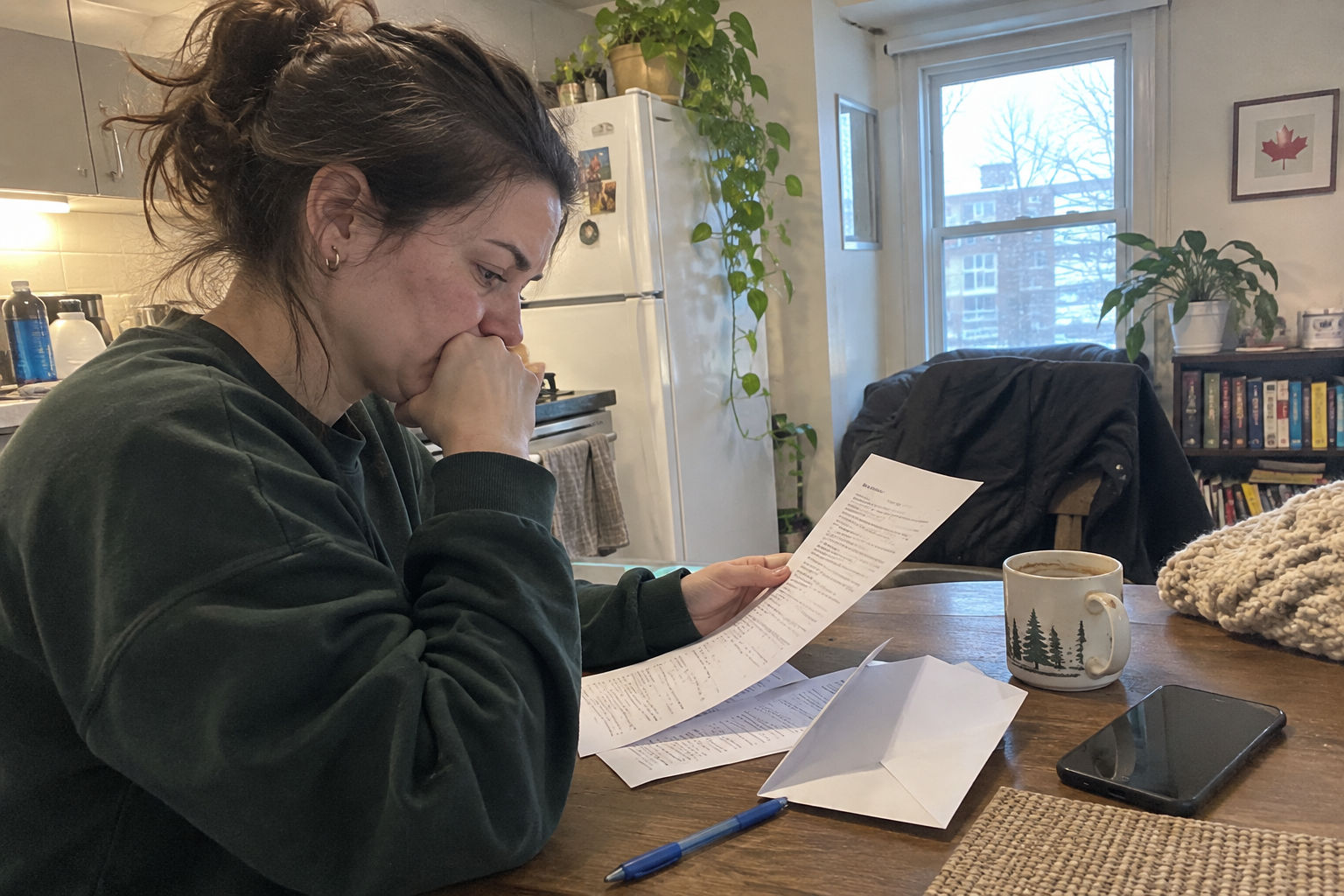
Ignoring a civil claim in Canada can allow the person suing you to ask for a default judgment. This means the court may decide the claim against you without hearing your defence.
If the court orders you to pay money, the person who wins may then take steps to collect it. Depending on provincial law, those steps can include wage garnishment, collecting money from a bank account, or registering an enforcement document against property.
These consequences do not necessarily happen immediately. However, not responding can make the situation harder and more expensive to resolve.
Even if you believe the allegations are false, the amount is wrong, or the debt has already been paid, you generally need to raise your position through the court’s response process.
Start by reading the documents, identifying the court, and confirming your deadline. Different courts use different forms and time limits, even within the same province.
General information only, not legal advice. This guide focuses on ordinary civil money claims, with selected provincial examples. Family proceedings, tenancy disputes, tribunal matters, and other specialized cases can follow different rules.
What Is a Civil Claim?
A civil claim is a court proceeding in which a person or organization asks for a remedy against someone else. Often, the remedy is payment of money.
The person starting the case is usually called the plaintiff or claimant. The person being sued is usually called the defendant.
Civil claims commonly involve disputes about:
Unpaid invoices.
Personal loans.
Credit agreements.
Contract obligations.
Property damage.
Renovation work.
Payment for goods or services.
The document’s name depends on the court. You might receive a Plaintiff’s Claim, Civil Claim, Notice of Claim, or Statement of Claim.
A claim is not the same as a judgment. It sets out allegations and asks the court for relief. Receiving one does not mean the court has already decided that you owe the money.
However, your opportunity to challenge the allegations comes with procedural requirements and deadlines.
Is a demand letter the same as a civil claim?
No. A demand letter asks you to do something, usually pay money, before or outside a lawsuit. Court papers indicate that a proceeding has been started.
Look for:
The court’s name.
A court file number.
The parties’ names.
Details of the claim.
Instructions about responding.
If you are unsure whether the documents are genuine, contact the court using independently verified contact information.
Do not set the papers aside while waiting to find out whether the other person is serious. Once a proceeding has started, the court’s deadlines matter.
What Happens If You Do Not Respond?
The exact process depends on the court, but missing the response deadline can allow the case to move forward without your participation.
The plaintiff may ask to proceed without your defence
In Ontario Small Claims Court, a defendant who does not file a defence within 20 days may be noted in default.
Once that happens, the defendant generally cannot simply file a defence or take ordinary steps in the case without the required consent or court permission.
Alberta’s Court of Justice also allows a plaintiff to request a default judgment or have the defendant noted in default after the applicable response period has passed and the service requirements have been met.
The court may grant a default judgment
A default judgment is a court decision made because a defendant did not respond as required.
It is not simply another collection letter. If the judgment orders payment, it creates an enforceable judgment debt.
The process may differ depending on the type of claim. A claim for a clearly established amount may follow a different route from a claim for damages that need to be assessed.
The plaintiff may still need to provide evidence or attend an assessment. Missing your deadline does not necessarily mean the plaintiff automatically receives everything requested.
You may lose the normal opportunity to explain your position
You might have documents showing that you paid, that the work was defective, or that the plaintiff sued the wrong person.
However, the court will not necessarily know any of that if you never respond.
Depending on the rules, default can also limit your entitlement to notice of later steps. Do not assume you will receive another reminder before the case moves forward.
How Long Do You Have to Respond to a Civil Claim?
There is no single response deadline across Canada.
The time limit can depend on:
The province.
The court.
The type of document.
Where you were served.
Whether a special service order applies.
The rules for counting days.
The examples below apply to specific proceedings. They are not universal deadlines for every civil case in those provinces.
Ontario Small Claims Court
You generally have 20 calendar days after service to serve and file a Defence.
If the deadline passes, you may still be able to respond before the plaintiff has you noted in default. Once you have been noted in default, a different process is required.
Do not assume this deadline applies to a Statement of Claim filed in another Ontario court.
Alberta Court of Justice
For a Civil Claim in the Alberta Court of Justice, you generally have:
20 days after being served in Alberta.
30 days after being served outside Alberta.
The response is called a Dispute Note.
If a court order authorized substitutional service, that order may specify the response period.
A late Dispute Note may still be possible before the plaintiff files the relevant default request.
These are Court of Justice rules. They are not a universal deadline for proceedings in Alberta’s Court of King’s Bench.
British Columbia Provincial Court Small Claims
You generally have:
14 days after being served in British Columbia.
30 days after being served outside British Columbia.
The response is called a Reply.
If you miss the deadline, you may need permission to file late and an explanation for the delay.
A Notice of Civil Claim in the Supreme Court or a proceeding before the Civil Resolution Tribunal follows a different process. Identify the forum before choosing a deadline.
Quebec Small Claims Division
A defendant generally has 20 days to indicate how they intend to respond.
Options include paying, offering a settlement, or defending the claim.
If the defendant does not indicate an option within the required period, judgment may be rendered without further notice.
This is a small-claims deadline, not a general response period for every Quebec civil proceeding.
Other provinces and territories
If your case is elsewhere, check the instructions accompanying the claim and the current rules for the court named on it.
Do not borrow a deadline from another province. Even where two courts use similar terminology, their procedures may be different.
Are deadlines counted in business days?
Not always.
Ontario Small Claims Court describes its response period as 20 calendar days. Weekend and holiday rules may affect the final filing date.
Alberta’s Court of Justice explains that when a deadline falls on a weekend, statutory holiday, or court office closure, filing can generally occur on the next business day.
Confirm both the effective date of service and the applicable counting rules.
What Does a Default Judgment Mean?
A default judgment means the court has granted relief against a defendant who did not respond as required.
If it is a money judgment, the defendant becomes a judgment debtor. The successful party becomes a judgment creditor.
The practical difference is important. Before judgment, the plaintiff is asking the court to recognize a claim. After judgment, the creditor may be able to use legal enforcement procedures to collect the amount ordered.
A judgment may also include amounts beyond the original claim, such as court fees, allowable costs, or interest.
If you want to challenge a default judgment, you normally need to use the appropriate court process. Simply sending the plaintiff a message saying you disagree does not reopen the case.
Can a Default Judgment Affect Your Wages, Bank Account, or Property?
Yes. If a money judgment remains unpaid, the successful party may be able to pursue enforcement.
However, a judgment does not automatically transfer everything you own to the creditor. Enforcement requires additional steps, and exemptions may protect certain income, funds, or property.
Wage garnishment
Wage garnishment directs an employer to pay a legally permitted portion of a debtor’s earnings toward the judgment.
The amount that can be taken depends on the applicable law and any relevant court order. It is not necessarily your entire paycheque.
Provinces have their own garnishment rules and protections. If you receive documents affecting your wages, get advice about the amount being withheld and whether an exemption or other remedy applies.
Bank account garnishment
A creditor may seek to garnish money held by a financial institution.
People sometimes call this a bank account seizure, although garnishment is the relevant procedure in many cases.
Certain funds may be protected. Ontario’s court guidance identifies exemptions involving some benefit and pension payments, including where those funds have been deposited in an account.
If you believe protected funds are affected, act promptly. You may need to raise the exemption through a particular procedure.
Enforcement against personal property
Depending on provincial law, an enforcement process may allow certain belongings to be seized and sold.
Exemptions can protect particular categories of property or amounts of value. Examples may include household necessities, tools, clothing, or a vehicle, subject to applicable limits.
Do not assume that everything is protected or that everything can be taken.
Property registrations, writs, and liens
A creditor may be able to register an enforcement document affecting land you own.
People often describe this as putting a lien on a house, but the legal mechanism and terminology vary.
Ontario, for example, permits a writ of seizure and sale of land. A writ can complicate selling or mortgaging property.
It does not mean an immediate forced sale happens automatically. Further procedures and practical considerations apply.
How Do You Respond to a Civil Claim?
Responding means following the court’s required process. Calling the plaintiff or sending an informal email may not be enough.
1. Identify the court and document
Read the first page carefully.
Confirm:
The court’s name.
The court file number.
Who is suing you.
Whether you personally, a business, or both are named.
The amount and remedy requested.
The response instructions.
These details determine which forms and rules apply.
2. Record when and how you were served
Write down the date, method, and circumstances of delivery.
Keep the envelope, email, or other delivery information.
If you think service was defective, get advice rather than assuming no deadline applies. A service dispute may require a formal response or application.
3. Review the allegations
Separate what you agree with from what you dispute.
Questions to consider include:
Did you enter the agreement?
Is the amount accurate?
Have you already paid?
Were the goods or services defective?
Has the correct person been sued?
Could a limitation period apply?
Do not assume an old debt automatically ends the case. A limitation issue may need to be raised properly in your response.
4. Complete the correct form
Examples include:
A Defence in Ontario Small Claims Court.
A Dispute Note in Alberta’s Court of Justice.
A Reply in British Columbia Provincial Court Small Claims.
Follow the instructions for the specific form.
Attachment requirements can differ. Ontario’s guidance discusses supporting documents, while Alberta instructs defendants not to attach other material to a Dispute Note.
Avoid treating a form from another province as a template for your case.
5. Complete filing and service
Preparing a response is not the same as filing it.
Some courts require you to serve the other parties and file proof of service. In other processes, the registry sends the response.
Ontario Small Claims Court requires the defendant to serve and file the defence. Alberta’s Court of Justice generally sends filed Dispute Notes to the parties, with additional responsibilities where a counterclaim adds a new party.
Keep confirmation that each required step was completed.
What If You Owe the Money but Cannot Pay?
Being unable to pay is different from disputing legal responsibility.
You may be able to admit all or part of the claim and propose payment terms. Ontario’s Small Claims Court procedure allows a defendant to admit an amount and make a payment proposal.
Before agreeing, check:
The principal amount.
Interest.
Fees and other charges.
Any payments already made.
Whether the proposed instalments are realistic.
A settlement should clearly explain the payment dates, whether interest continues, what happens after a missed payment, and how the court proceeding will be resolved.
Do not assume negotiations pause the response deadline. Confirm which procedural steps remain necessary while discussions continue.
What If You Already Missed the Deadline?
Act promptly. Missing the original deadline does not always mean every option is gone.
Check the case status
Contact the court registry and ask whether:
A default request has been filed.
You have been noted in default.
A default judgment has been entered.
Enforcement documents have been issued.
The answer affects your next step.
Ontario and Alberta both recognize circumstances in which a response may still be filed after the original deadline but before the relevant default step.
Ask about setting aside default
If default has already occurred, you may need consent, a motion, or another application.
In Ontario Small Claims Court, a defendant can seek to set aside a noting in default or default judgment.
Be prepared to explain why you missed the deadline and the defence you want to raise. Act as soon as reasonably possible.
Approval is not automatic. The applicable rules and facts matter.
Deal with enforcement separately
Do not assume applying to reopen the case automatically stops collection.
If wages, a bank account, or property are affected, ask whether you also need an order staying enforcement.
A stay temporarily stops the enforcement steps covered by the order. Whether one is available depends on the proceeding and circumstances.
Where Can You Find Free or Low-Cost Help?
You may not need full-service representation to get useful assistance.
Court registries and official guides
Court offices can provide forms, procedural information, and case-status details.
They cannot act as your lawyer, choose a defence, or tell you whether you will win.
Official court guides can help you understand the steps, but make sure you are reading the guide for the correct court and proceeding.
Lawyer referral services
A short consultation can help identify the deadline, assess a possible defence, or explain how to seek relief from default.
Ontario’s Law Society Referral Service offers access to an initial consultation of up to 30 minutes without charge.
Check local referral options in other provinces. Ask whether a lawyer can provide a limited service, such as reviewing your response, rather than handling the entire case.
Court fee waivers
If filing fees are a barrier, ask whether a waiver is available.
Ontario has a fee-waiver process for eligible people. A waiver concerns qualifying court fees, not free legal representation, and does not cover every possible expense.
Ask about eligibility and supporting documents before assuming you cannot afford to respond.
When Should You Get Legal Help?
Seek advice promptly if:
The deadline is close or has passed.
A default judgment already exists.
Your wages or bank account are affected.
The claim involves a large amount or significant property.
You are unsure whether you were properly served.
A business and its owner are both named.
You want to challenge jurisdiction or raise a limitation defence.
You are considering admitting the claim or signing a settlement.
Bring the claim, delivery information, relevant agreements, payment records, and a short timeline.
The more clearly you organize the facts, the easier it is to use a limited consultation effectively.
Frequently Asked Questions
Will the court hear my defence if I never file anything?
Not necessarily. Failing to respond can allow default procedures to move forward without your defence.
Can I respond late?
Sometimes. The available route depends on whether the deadline has simply passed, default has been requested, or judgment has already been entered.
Can I ignore the claim because I already paid?
No. Payment may be an important defence, but you still need to address the court proceeding.
Gather proof of payment and follow the response process.
Does a default judgment mean the plaintiff immediately gets my bank balance?
No. Enforcement requires additional procedures, and exemptions may protect certain funds.
Do settlement discussions stop the deadline?
Do not assume they do. Confirm whether a formal extension or another procedural step is required.
Should I wait for a lawyer before doing anything?
Do not let a deadline pass simply because you are waiting for an appointment.
Read the papers, confirm the deadline, contact the court for procedural information, and seek legal advice promptly.
Lawzen provides clear answers to Canadian legal questions. This article is general information only and is not legal advice. Speak with a qualified lawyer about the deadlines, defences, and remedies that apply to your case.
Key takeaways
- Ignoring a civil claim in Canada can lead to a default judgment, allowing the court to decide against you without hearing your defence.
- Response deadlines vary by province and court, typically ranging from 14 to 30 days after being served; missing these can limit your options.
- A default judgment makes you a judgment debtor, enabling enforcement actions like wage garnishment or property liens.
- Responding to a claim involves identifying the court, understanding the allegations, filing the correct form on time, and following court procedures.
- Missing a deadline doesn't always end your chances; you may apply to set aside default judgments but must act promptly and follow court rules.
Frequently asked questions
This guide provides general legal information for people in Canada. It is not legal advice and does not create a lawyer and client relationship. Laws differ between provinces and territories and change over time. Speak with a lawyer licensed in your province or territory about your situation.
About the author

LawZen
LawZen is a Canada-wide platform that helps people search for individual lawyers by legal issue, province or territory, city, and language. Whether someone is looking for help with a family matter, immigration question, employment problem, real estate transaction, criminal charge, estate issue, or another legal concern, the goal is simple: make it easier to find relevant options and compare them in one place.
Keep reading
Can My Employer Change My Duties or Pay in Canada?
Can your employer cut your pay or change your job duties? Learn when workplace changes may be constructive dismissal and what to do before quitting.
11 min read
Can My Landlord Enter My Rental Unit in Canada?
Learn when Canadian landlords can enter your rental unit, notice rules by province, emergency exceptions, and what to do after an unauthorized entry.
13 min read